Are you contemplating taking charge of your own slab, shed, or footings pour? Securing a concrete line pump as a DIY builder is not only practical; it is an astute and economical decision. With the correct preparations and a skilled team by your side, you can significantly cut down your costs, follow your schedule meticulously, and pour concrete like an industry veteran.
At Hunter Concrete Pump Hire, we frequently collaborate with owner-builders across Newcastle, the Hunter Valley, and the Central Coast. Whether you need assistance sourcing concrete, organising labour, or managing the concrete pour, our dedicated team is here to facilitate each step of the process for you, ensuring that everything runs smoothly without any hiccups.
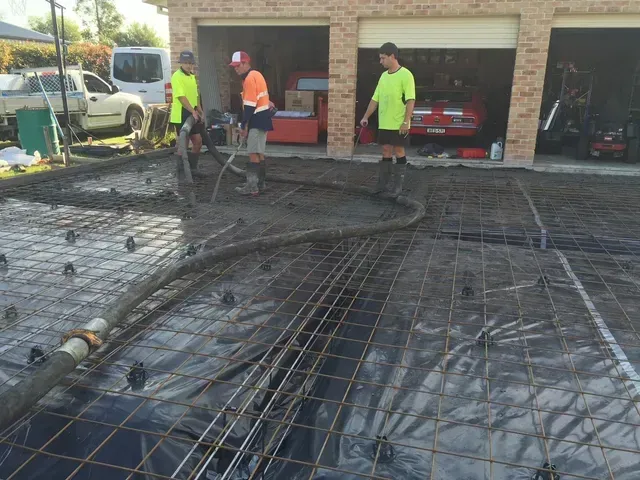
1. Key Steps to Successfully Plan Your Concrete Pump Hire as a DIY Builder
Before confirming your pump hire, it is essential to consider several critical factors that will impact your project:
- Site Access: Is there sufficient room for a line pump to be positioned near your pour area? Is the terrain level and suitable for a secure setup?
- Pour Size and Timing: What is the required volume of concrete in cubic metres, and when will the site be ready for pouring?
- Type of Job: Are you working on a backyard slab, a shed base, footings, or a driveway?
If you are uncertain about the type or quantity of concrete mix necessary, we can assist you in calculating the total concrete required based on your specified dimensions and thickness. This ensures you order the right amount on your initial request, minimising waste and saving you money in the long run.
How to Precisely Calculate Your Concrete Requirements for a Successful Pour
Concrete is quantified in cubic metres (m³). To determine how much you will require for a slab or footing, use the following formula:
Length (m) × Width (m) × Depth (m) = Volume (m³)
Ensure all measurements are taken in metres. For example:
A slab measuring 8 metres long, 5 metres wide, and 100mm thick (0.1m) calculates as follows: 8 × 5 × 0.1 = 4.0m³
It is advisable to never order the exact quantity. Always round up by 10% to account for wastage, variations in the formwork, or spillage at the pump. Therefore, in this case, you would need to order 4.4m³.
For additional examples, please consult our detailed calculations page.
Comprehensive Volume Reference for Common Slab Sizes and Their Requirements
| Slab Size (m) | Thickness (mm) | Volume (m³) | Add 10% Overrun | Final Order (m³) |
| 4 × 4 | 100 | 1.6 | 0.16 | 1.8 |
| 6 × 6 | 100 | 3.6 | 0.36 | 4.0 |
| 8 × 5 | 100 | 4.0 | 0.40 | 4.4 |
| 10 × 6 | 150 | 9.0 | 0.90 | 9.9 |
| 12 × 10 | 100 | 12.0 | 1.20 | 13.2 |
2. Seamlessly Coordinate Your Concrete Supply with Our Expert Guidance
Instead of frantically hunting for suppliers, you can depend on our extensive expertise in the concrete industry. We work alongside local concrete plants throughout the region to effectively schedule your delivery, ensuring it aligns seamlessly with your pump hire.
Our services also include:
- Managing challenging access situations with ease
- Understanding primer application requirements
- Considering the required length for pump setup
- Your preferred starting time for the pour
By coordinating all aspects through our team, you eliminate the stress of managing two separate contractors on the day of the pour, resulting in a more streamlined and efficient operation overall.
3. Access Skilled Labour Support for Your DIY Project When Necessary
While some DIY builders may arrive with a competent crew, others might find themselves needing extra hands. If you require additional assistance, just let us know. We can provide skilled concreters who excel in screeding, finishing, and edging slabs effectively, ensuring that your project moves forward without unnecessary delays.
This support is especially beneficial if:
- It is your first experience pouring concrete
- You need guidance in managing the concrete mix effectively
- You are using coloured or polished concrete finishes
4. What to Anticipate on the Day of Your Concrete Pour?
Here is a detailed overview of what you can expect when we arrive at your site:
- Setup and Primer Application: We will set up the pump, hoses, and establish a safe working zone. Primer is then applied to ensure smooth flow through the line.
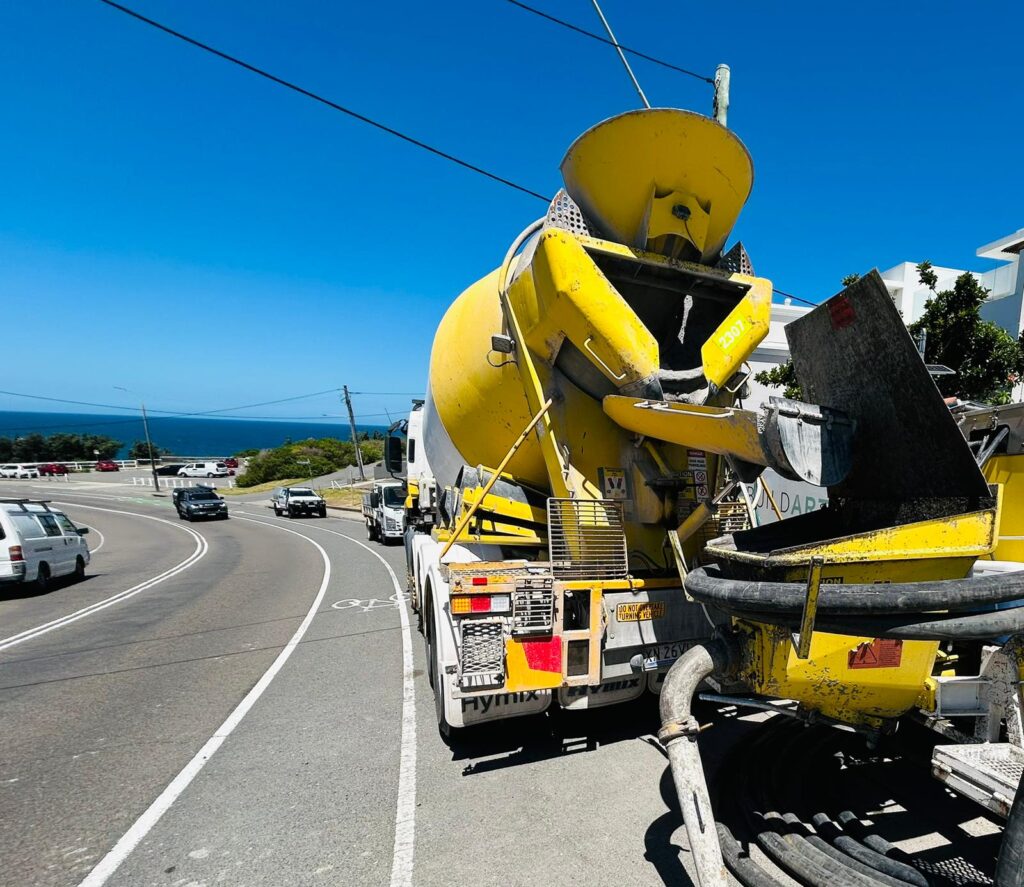
- Concrete Delivery Arrival: The <a href=”https://writebuff.com/avoid-these-common-hiring-mistakes-for-concrete-pumps/”>concrete trucks</a> will arrive at the scheduled time, and we will maintain direct communication with the driver to ensure everything operates seamlessly.
- Pumping and Concrete Placement: The concrete is pumped efficiently into your formwork. Our team will guide either your workers or our own through the pour sequence to guarantee precision and efficiency throughout the process.
- Final Cleanup: Once the pour is complete, we will thoroughly wash out the line and remove all equipment from the site, leaving it clean and tidy.
Our objective is to provide a clean, precise, and efficient service. Everything is executed promptly and professionally, leaving you with no mess to manage after the job is completed.
5. What Essential Aftercare Is Necessary After Your Concrete Pour?
Once the concrete is successfully placed, your responsibilities will include:
- Keeping it moist if necessary, particularly during hotter weather conditions
- Protecting it from rain or debris that may cause damage
- Fencing off the area to secure it from children or pets
We will provide you with guidance on timing if you plan to cut control joints, apply sealers, or install any fixtures after the pour. Should you have any questions in the days following the pour, we remain just a phone call away to assist you further.
Uncover Why More Owner-Builders Prefer Our Exceptional Concrete Pump Hire Service
- We simplify your project by efficiently managing both the concrete supply and pump hire, ensuring a hassle-free experience.
- We arrive punctually, fully prepared, and guarantee a thorough cleanup afterward.
- Our pricing is competitively flat-rate, and we offer skilled labour if necessary.
- Being local, we possess valuable insights into ground conditions, weather patterns, and suitable mix types for the area.
With no unnecessary complications, we offer straightforward, professional concrete pumping support tailored specifically for DIY projects.
Frequently Asked Questions for DIY Builders Regarding Concrete Pump Hire
Do I need a specific license to hire a concrete pump for my DIY project?
No specific license is required for hiring a concrete pump as an owner-builder. Our licensed operator will manage the machinery while you concentrate on effectively preparing the site and the formwork.
How much notice should I provide to book a concrete pump?
We recommend giving at least 3 to 5 days’ notice. During peak periods, allowing a week or more is advisable to guarantee that your preferred time slot and pump size are available.
What type of concrete mix should I choose for my project?
The appropriate mix depends on your specific project requirements — a standard 20 MPa mix is suitable for most slabs and driveways, while footings, polished finishes, or shed bases may require a higher-strength or coloured mix. Our team can assist you in selecting the most suitable option for your needs.
Can you help me determine how much concrete I require for my pour?
Absolutely! Just provide us with the length, width, and thickness of the pour in metres. We will calculate the volume for you and include a 10% overrun for safety to ensure you have sufficient material.
Can I perform the pour without additional labour support?
You can manage it if you are experienced and have one or two helpers available. However, if you lack assistance, we highly recommend utilising our concreting labour. This will help prevent potential delays and errors that could lead to additional costs in the future.
The Article: Concrete Pump Hire for DIY Builders: Step-by-Step Guide first appeared on https://writebuff.com
The Article Concrete Pump Hire: A DIY Builder’s Step-by-Step Guide Was Found On https://limitsofstrategy.com
The Article Concrete Pump Hire: Step-by-Step Guide for DIY Builders found first on https://electroquench.com