Exploring the Thyroid Blood Testing Process in Detail
Initial Consultation: Essential Steps to Follow
Private Thyroid Blood Tests in Wrexham: In the UK, the journey towards obtaining a thyroid blood test typically begins with a consultation at a local GP practice in Wrexham. This pivotal meeting allows the GP to evaluate symptoms and review the patient’s medical history thoroughly. Symptoms that often prompt such consultations include fatigue, unexpected weight changes, and mood fluctuations, which may indicate thyroid dysfunction.
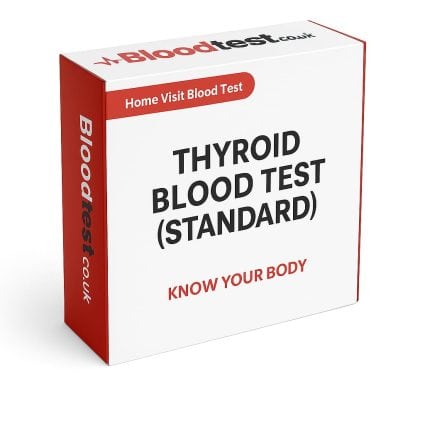

If the GP believes further assessment is necessary, they will refer the patient for a thyroid blood test through the NHS. This referral facilitates comprehensive care, connecting patients with the appropriate specialists and resources. The NHS framework in Wrexham ensures smooth transitions from primary care to laboratory testing, improving access to essential services for patients.
After the referral, patients typically receive detailed instructions regarding the next steps. This includes information about the timing and location of the blood test, alongside any required preparations. Effective communication at this stage is crucial to ensure that patients feel reassured and informed throughout the process.
Understanding Laboratory Analysis Procedures
The blood samples collected in Wrexham are dispatched to accredited laboratories throughout the UK for an in-depth analysis of thyroid hormone levels. These laboratories are equipped with cutting-edge technology and staffed by professionals who specialise in endocrine testing. Accurate analyses are vital, as precise hormone level readings are essential for diagnosing thyroid conditions.
Upon arrival at the laboratory, the blood samples undergo a series of tests to measure key hormones, including TSH, T3, and T4. Each hormone plays a crucial role in regulating metabolism, energy levels, and overall health. The results are meticulously reviewed to ensure that any abnormalities are accurately identified, facilitating precise diagnoses.
The findings from these tests are compiled into a comprehensive report that is sent to the referring GP in Wrexham. This process is not merely about data collection; it provides a thorough overview of a patient’s thyroid health, enabling doctors to make well-informed decisions regarding treatment and management.
The Critical Importance of Timely Detection of Thyroid Disorders
Early identification of thyroid issues through blood tests in Wrexham is essential for preventing complications. Thyroid disorders can significantly disrupt various bodily functions, and if left unchecked, they may lead to serious health consequences. Detecting these issues early allows patients to receive timely interventions, thereby reducing the risk of complications.
The NHS guidelines highlight the importance of regular monitoring, particularly for individuals showing symptoms or having a family history of thyroid disorders. Early detection promotes proactive management, which may involve lifestyle modifications, adjustments to medication, or more frequent monitoring of thyroid function.
Prompt intervention can significantly enhance quality of life. Patients experiencing symptoms such as fatigue or weight fluctuations often find relief through swift diagnosis and treatment. This not only improves their overall wellbeing but also empowers them to take control of their health and treatment journey.
Effectively Interpreting Test Results
Once the laboratory analysis of blood samples is complete, clinicians in Wrexham play a crucial role in interpreting thyroid hormone levels. This interpretation involves more than just evaluating numbers; it requires contextualising each patient’s health history and current symptoms. Doctors take into consideration various factors, including age, gender, and pre-existing medical conditions, to provide a comprehensive evaluation.
After receiving the results, the GP will discuss the findings with the patient, explaining what the hormone levels indicate about their thyroid function. If any abnormalities are identified, the GP will recommend appropriate treatment options, which may include lifestyle changes, medications, or further testing. This personalised approach is vital for achieving optimal patient outcomes.
Following up is essential. Patients are encouraged to ask questions and voice any concerns regarding their results or treatment plans. This open line of communication fosters a supportive relationship between patients and healthcare providers, ensuring that individuals feel informed and engaged in managing their health.
Preparations Necessary Before Undergoing a Thyroid Test
Guidelines on Medications and Fasting Requirements
Before undergoing a thyroid blood test in Wrexham, patients should follow their GP’s specific instructions regarding medications and fasting. These guidelines are pivotal for ensuring accurate results, as certain medications can influence hormone levels.
– Avoid taking biotin supplements for at least 48 hours before the test.
– Discuss any prescription medications with your GP, as some may need to be temporarily discontinued.
– Fasting for a minimum of 8 hours prior to the test is generally recommended.
– Stay well-hydrated but avoid caffeine before the appointment.
By adhering to these recommendations, patients can minimise the risk of inaccurate results, allowing for a more precise diagnosis. It is essential for patients to openly communicate with their healthcare providers regarding any concerns about these preparations.
Proper preparation can significantly enhance the effectiveness of the testing process. Patients who adequately prepare are more likely to receive reliable results, which in turn aids in better health management and treatment outcomes.
Essential Items to Bring to Your Appointment
Individuals preparing for a thyroid blood test in Wrexham should bring specific items to their appointment to ensure a smooth experience. Having the necessary documentation can expedite the process and enable healthcare providers to deliver optimal care.
– Identification, such as a driving licence or passport.
– Your NHS number, which can be found on your NHS card or any official correspondence.
– Any previous test records related to thyroid function or other relevant health issues.
– A list of current medications, including dosages and frequency.
By bringing these items, patients can facilitate efficient processing at local clinics. This preparation not only aids in administrative tasks but also ensures that healthcare providers have all the necessary information to make informed decisions regarding the patient’s care.
Being well-prepared can reduce any anxiety associated with the testing process. Knowing that you have everything you need for your appointment fosters confidence and readiness, allowing you to focus on your health and wellbeing.
Suggested Dietary Adjustments Prior to Testing
Certain dietary modifications may be necessary before thyroid testing in Wrexham to prevent interference with hormone level readings. Implementing these adjustments can help ensure that the results accurately reflect your thyroid function, leading to improved diagnostic outcomes.
– Reduce iodine intake, as excessive iodine can affect thyroid hormone levels.
– Limit consumption of soy products, which may disrupt hormone absorption.
– Avoid cruciferous vegetables, such as broccoli and kale, as they can impact thyroid function.
– Steer clear of high-fat meals before the test, as they may influence blood lipid levels.
These lifestyle changes are typically recommended for a brief period leading up to the test. By following these guidelines, patients can enhance the accuracy of their results, ultimately supporting more effective treatment plans.
It is also advisable to consult with your GP regarding any specific dietary concerns or restrictions. They can provide personalised advice to ensure that your preparation aligns with your individual health needs and circumstances.
Recognising Symptoms That Indicate the Need for Testing
Recognising Common Symptoms of Thyroid Issues
Fatigue and unexplained weight fluctuations are among the most common symptoms driving individuals in Wrexham to seek thyroid blood tests through their NHS GP. These symptoms can suggest both hyperthyroidism and hypothyroidism, conditions that can greatly affect daily life.
Individuals experiencing persistent fatigue may notice significant fluctuations in their energy levels. This can hinder their ability to maintain a routine, affecting work and social interactions. Weight changes, whether gain or loss, can also be distressing and may indicate an underlying thyroid issue that warrants further investigation.
Other indicators that may suggest the need for testing include mood swings, alterations in sleep patterns, and sensitivity to temperature. Identifying these symptoms is critical, as they often represent the initial step towards obtaining an accurate diagnosis and effective treatment plan.
Considerations Regarding Family History
A family history of thyroid disorders can prompt residents of Wrexham to proactively request blood tests through local NHS services. Genetic predisposition substantially influences the likelihood of developing thyroid conditions, making it essential for individuals with a familial background of such issues to remain vigilant about their health.
When family members have been diagnosed with conditions such as Hashimoto’s thyroiditis or Graves’ disease, awareness and concern for those related increase. Understanding this risk can encourage individuals to seek testing even before symptoms arise, enabling early detection and management.
Discussing family health history with a GP can provide valuable context for interpreting test results. It allows healthcare providers to tailor their approach based on the patient’s unique background, ensuring that care is both thorough and personalised.
When to Consult a Healthcare Provider
Ongoing symptoms should always prompt prompt discussion with a healthcare provider in Wrexham to determine if a thyroid blood test is warranted. Individuals experiencing persistent fatigue, weight fluctuations, or mood changes should seek medical advice without delay, as these may indicate a thyroid imbalance. Early intervention is vital in preventing more serious health complications in the future. Patients are encouraged to adopt a proactive approach to their health and communicate openly with their GP regarding any concerns they may have. This dialogue is essential for establishing a clear pathway to diagnosis and treatment.
Even seemingly minor symptoms should not be overlooked. Subtle changes in energy levels or weight can indicate underlying thyroid problems. Consulting a healthcare provider is a crucial step in ensuring that any potential issues are addressed appropriately.
Insights from Experts on Thyroid Blood Testing in Wrexham
Expert Evaluation of Thyroid Blood Testing Procedures
Medical professionals evaluate patient cases from Wrexham to emphasise best practices in NHS thyroid testing and result interpretation, aiming for optimal health outcomes. The expertise of healthcare providers is invaluable in grasping the complexities of thyroid function and the implications of test results.
Experts stress the necessity of a comprehensive approach to thyroid testing, which encompasses not only hormone level analysis but also consideration of the patient’s overall health. This holistic perspective allows for more accurate diagnoses and personalised treatment plans, ultimately leading to improved patient outcomes.
Continuous education for healthcare providers is essential. Keeping abreast of the latest research and developments in thyroid health guarantees that patients receive the most effective care available. This commitment to excellence is a hallmark of the NHS in Wrexham, where patient welfare is always the top priority.
Practical Recommendations for Patients
Real-world insights from Wrexham NHS clinics can guide individuals through the thyroid blood test process with clear, expert recommendations. Patients should be encouraged to prepare by understanding the testing procedure, including what to expect before, during, and after the test.
First, patients should schedule an appointment with their GP to discuss symptoms and raise any concerns regarding thyroid health. This initial step is crucial for establishing a foundation for further testing and potential treatment.
Second, following the preparatory guidelines provided by healthcare professionals can significantly enhance the accuracy of test results. This includes adhering to medication recommendations, dietary adjustments, and ensuring all required documents are ready for the appointment.
Lastly, engaging in follow-up discussions with healthcare providers after receiving test results is essential. This dialogue allows patients to ask questions, clarify uncertainties, and develop a clear action plan for managing their thyroid health in the future.
Understanding Variations in Test Results
Expert analysis clarifies how individual factors influence thyroid blood test outcomes for patients accessing services in Wrexham. Fluctuations in hormone levels can arise from various factors, including age, gender, and lifestyle choices.
For instance, women may experience changes in thyroid hormone levels during pregnancy or menopause, which can affect test results. Certain medications and dietary habits may also impact hormone levels, making it essential for patients to provide comprehensive information during their consultations.
Understanding these variations is crucial for accurate interpretation of results. Healthcare providers must consider the broader context of patients’ health to gain a more nuanced understanding of what the results signify and how they should inform treatment decisions.
Patients should feel empowered to discuss any factors they believe may influence their results. This open communication fosters a collaborative relationship with healthcare providers, ensuring that care is tailored to individual needs and circumstances.
Management of Test Results by the NHS
Timelines for Receiving Test Results
The NHS in Wrexham typically communicates thyroid blood test results within a set timeframe, allowing patients to receive updates directly from their GP practice. Patients can generally expect to be informed within a week, though this period may vary depending on the specific laboratory processing the samples.
This prompt communication is vital for maintaining patient engagement and ensuring individuals are aware of their health status. Knowing when to anticipate results can alleviate anxiety and help patients plan their next steps in consultation with their GP.
If results indicate normal thyroid function, patients may receive reassurance and advice on maintaining their health. Conversely, if abnormalities are detected, timely communication allows for quicker follow-up appointments to discuss treatment options and necessary lifestyle adjustments.
Arranging Follow-Up Appointments
Following the receipt of test results, patients may need to schedule further discussions in Wrexham to review findings and determine the next steps for thyroid management. The GP will typically recommend a follow-up appointment, particularly if any abnormalities are noted.
During this appointment, the healthcare provider will explain the implications of the test results and discuss potential treatment options. This may include adjusting medications, lifestyle recommendations, or further testing to monitor thyroid function over time.
Scheduling these follow-up appointments is crucial for ensuring that patients receive continuous care. The NHS encourages individuals to be proactive in arranging these visits, as timely intervention can significantly influence health outcomes and overall wellbeing.
Managing Results That Indicate Abnormal Thyroid Function
Abnormal thyroid levels trigger specific NHS protocols in Wrexham, ensuring patients receive tailored treatment and monitoring plans promptly. When test results indicate thyroid dysfunction, healthcare providers will assess the severity and potential implications for the patient’s health.
Managing abnormal results typically involves further testing to confirm the diagnosis and identify the underlying cause. This may require additional blood tests, imaging studies, or referrals to specialists for a more comprehensive evaluation.
Once a diagnosis is established, treatment plans are collaboratively developed with the patient. This may involve medications, lifestyle changes, or ongoing monitoring to track thyroid function over time. The NHS prioritises patient-centred care, ensuring that individuals are actively involved in their treatment decisions.
Research-Driven Advantages of Thyroid Blood Testing in Wrexham
Facilitating Accurate Diagnoses
Research indicates that regular testing is essential for accurately identifying imbalances among patients within the Wrexham NHS. Thyroid blood tests are crucial for diagnosing conditions such as hypothyroidism and hyperthyroidism, which can have widespread effects on health.
– Early identification of thyroid disorders leads to timely interventions.
– Accurate diagnosis supports personalised treatment plans tailored to individual needs.
– Regular monitoring helps track changes in thyroid function over time.
– Identifying imbalances can prevent complications related to untreated thyroid issues.
These benefits underscore the importance of routine thyroid testing, particularly for individuals at risk due to family history or presenting symptoms. Early and accurate diagnosis can substantially enhance patient outcomes and quality of life.
Healthcare providers advocate for regular testing as part of a proactive health management strategy. This commitment to early intervention is fundamental to the NHS’s mission to provide comprehensive care to residents in Wrexham.
Guiding Effective Treatment Strategies
Evidence from studies supports the use of thyroid blood tests in Wrexham to inform medication adjustments and enhance patient wellbeing. Accurate test results help healthcare providers determine the appropriate dosages and types of medications needed to manage thyroid conditions effectively.
– Tailored treatment plans improve patient adherence to prescribed therapies.
– Regular monitoring enables timely adjustments based on test results.
– Enhanced management of thyroid conditions can lead to better overall health outcomes.
– Patients report a heightened quality of life with effective treatment strategies.
This evidence highlights the vital role of thyroid blood tests in ensuring treatment plans are both effective and responsive to individual patient needs. The NHS prioritises evidence-based practices, ensuring that residents of Wrexham receive the highest standard of care.
Ongoing research into thyroid health continues to inform best practices, ensuring that patients benefit from the latest advancements in medical science.
Effectively Monitoring Long-Term Health
Continuous testing provides critical data for tracking thyroid function among residents utilising local NHS resources in Wrexham. Regular blood tests are vital for individuals diagnosed with thyroid disorders, as they facilitate ongoing monitoring of hormone levels and overall health.
– Long-term monitoring aids in the early detection of changes in thyroid function.
– Patients can adjust their treatment plans based on consistent test results.
– Tracking thyroid health over time supports proactive management of related conditions.
– Regular testing encourages a collaborative relationship between patients and healthcare providers.
By prioritising long-term health monitoring, patients can better manage their thyroid conditions and reduce the risk of complications. The NHS encourages individuals to remain engaged in their health journey, advocating for routine check-ups and consistent communication with healthcare providers.
This focus on long-term health benefits not only aids individual patients but also enhances the overall efficiency of the healthcare system, as early detection and management can reduce the need for more extensive treatments later on.
Reducing Healthcare Costs Through Early Detection
Research from health studies in Wrexham indicates that regular thyroid blood tests help minimise the need for costly treatments by identifying issues early. Timely detection of thyroid disorders can prevent the progression of conditions that may require more complex and expensive interventions in the future.
– Routine testing lowers the risk of complications that could lead to hospitalisation.
– Early management of thyroid issues can decrease overall healthcare costs.
– Proactive health management enhances resource allocation within the NHS.
– Patients benefit from improved health outcomes and reduced financial burdens.
This emphasis on early detection and management aligns with the NHS’s commitment to providing cost-effective care. By investing in regular testing, individuals can take control of their health while contributing to the sustainability of the healthcare system.
Informed patients are more likely to adhere to treatment regimens, further enhancing their overall wellbeing and reducing long-term healthcare costs.
Enhancing Patient Awareness and Compliance
Evidence-based research demonstrates that thyroid blood tests in Wrexham increase patients’ understanding of their condition, fostering adherence to treatment regimens. When patients are aware of their thyroid health status, they are more likely to actively engage in their care.
– Heightened awareness leads to improved health management and lifestyle choices.
– Patients are more inclined to comply with prescribed treatments when they understand their condition.
– Education about thyroid health cultivates a sense of empowerment and responsibility.
– Regular testing encourages open communication between patients and healthcare providers.
By prioritising patient education and awareness, the NHS aims to foster a culture of proactive health management. This approach benefits individual patients and enhances the overall effectiveness of the healthcare system in Wrexham.
Patients are encouraged to ask questions, seek information, and engage with their healthcare providers to ensure they fully comprehend their thyroid health and treatment options.
Are There Any Risks Associated with the Thyroid Blood Test Procedure?
Minor Discomfort During Blood Collection
The blood collection process for thyroid tests in Wrexham usually involves only brief discomfort, with trained NHS staff ensuring patient comfort. While some individuals may feel a slight pinch or sting during needle insertion, this discomfort typically dissipates quickly.
Healthcare providers are proficient at performing blood draws efficiently and with care. Patients often find reassurance in the staff’s professionalism, which can help alleviate anxiety about the procedure. Individuals should communicate any fears or concerns to their healthcare provider beforehand.
Understanding that minor discomfort is a normal aspect of the process can help patients approach their appointments with confidence. The NHS prioritises patient comfort and strives to create a supportive environment during testing procedures.
Rare Complications to Be Aware Of
The risk of infection remains very low when thyroid blood tests are conducted at accredited clinics in Wrexham that strictly adhere to NHS hygiene standards. The protocols in place are designed to minimise the likelihood of complications, ensuring patient safety throughout the blood draw process.
While serious complications are infrequent, patients should be aware of potential risks. Common side effects may include bruising or slight swelling at the injection site, but these typically resolve quickly without intervention.
Patients should feel empowered to report any unusual symptoms following their blood test. Open communication with healthcare providers is essential for addressing concerns and ensuring that patients receive appropriate care.
Effectively Addressing Patient Concerns
Healthcare providers in Wrexham offer reassurance and information to alleviate worries before conducting thyroid blood tests. Many patients experience anxiety about the testing process, and healthcare professionals are trained to provide support and guidance.
Before the procedure, patients are encouraged to ask questions and express any concerns they may have. This open dialogue builds trust and contributes to a comfortable testing environment.
Healthcare providers often share information about what to expect during the blood draw and how to care for the injection site afterwards. This proactive approach helps demystify the process and empowers patients to feel more in control of their health journey.
Finding Local Thyroid Testing Services
Accessing NHS Clinics in Wrexham
Residents can access designated NHS facilities that offer convenient thyroid testing appointments, facilitating access to essential healthcare services. These clinics are strategically located throughout Wrexham, ensuring individuals can find a facility close to home.
– NHS clinics provide specialised thyroid testing services tailored to patient needs.
– Convenient appointment scheduling helps minimise waiting times for testing.
– Access to trained professionals guarantees quality care throughout the testing process.
– Local clinics foster a sense of community, encouraging patients to engage with their health.
By utilising local NHS resources, residents can take proactive steps to manage their thyroid health. The availability of convenient testing options supports individuals in prioritising their wellbeing and seeking timely care.
The NHS encourages patients to consult their GP for assistance in locating the most suitable clinic for their needs. This collaborative approach ensures that individuals receive the best possible care in their local area.
Understanding Booking and Referral Procedures
GP referrals facilitate access to thyroid blood tests at facilities in Wrexham, ensuring eligibility under the UK healthcare system. When patients discuss symptoms with their GP, the doctor will evaluate the necessity for testing and provide a referral if appropriate.
This referral process simplifies the journey to obtaining a thyroid blood test, enabling patients to navigate the system with ease. It also ensures that healthcare providers have a comprehensive understanding of the patient’s health history, which is crucial for accurate diagnosis and treatment.
Patients are encouraged to follow up with their GP after receiving the referral to confirm appointment details and any necessary preparations. This proactive approach ensures a smooth testing experience and supports effective health management.
What Support Is Available Following Testing?
After testing, patients in Wrexham receive guidance from NHS teams on managing results and coordinating any necessary further care. Following the blood test, individuals can expect to be contacted by their GP regarding their results and any subsequent steps.
If the results are normal, patients may receive reassurance and recommendations for maintaining thyroid health. Conversely, if abnormalities are detected, healthcare providers will discuss treatment options and any additional testing that may be warranted.
NHS teams are available to provide ongoing support and address any questions patients may have about their results or treatment plans. This commitment to patient care ensures that individuals feel informed and supported throughout their health journey.
Commonly Asked Questions
What does a thyroid blood test involve?
A thyroid blood test measures the levels of hormones produced by the thyroid gland, aiding in the diagnosis of conditions like hypothyroidism and hyperthyroidism.
How should I prepare for a thyroid blood test?
Prepare by following your GP’s instructions regarding medications, fasting, and dietary adjustments. Bring your NHS number and identification to your appointment.
What symptoms might indicate I need a thyroid blood test?
Symptoms include fatigue, weight fluctuations, mood swings, and temperature sensitivity. If you experience these, consult your GP for evaluation.
How long does it usually take to receive results from a thyroid blood test?
Results are typically communicated within a week. Your GP surgery will contact you directly to discuss the findings.
What happens if my thyroid test results are abnormal?
If results are abnormal, your GP will discuss treatment options, which may include medication, lifestyle adjustments, or further testing.
Are there risks associated with having a thyroid blood test?
The risks are minimal but may include minor discomfort during the blood draw and a very low chance of infection if proper hygiene protocols are followed.
Can I obtain a thyroid blood test without a referral?
In the UK, a GP referral is generally required to access NHS thyroid blood testing services. Consult your GP for more information.
How often should I have my thyroid levels checked?
The frequency of testing depends on individual health circumstances. Discuss with your GP to determine an appropriate schedule based on your needs.
What treatments are available for thyroid disorders?
Treatments may include medication to regulate hormone levels, lifestyle changes, or surgery in more severe cases. Your GP will recommend the best approach.
Where can I find NHS clinics that offer thyroid testing in Wrexham?
You can locate NHS clinics in Wrexham by consulting your GP or visiting the NHS website for a list of local facilities providing thyroid testing services.
Connect with us on Facebook today!
This Article Was First Published On https://bloodtest.co.uk
The Article Thyroid Blood Test in Wrexham: Expectations Explained was first found on https://electroquench.com