Craft a Family Reunion Menu That Creates Lasting Memories
Essential Ingredients for an Unforgettable Dining Experience

When planning meals for a large family reunion, it is crucial to give careful thought to the selection of key ingredients that will satisfy the diverse palates and dietary requirements of your guests. Begin your menu design by laying a solid foundation of proteins, including options such as chicken, beef, and plant-based choices. Pair these with a colourful array of fresh seasonal vegetables and staple carbohydrates like rice and pasta. This meticulous selection not only ensures that everyone is catered for but also allows you to create simple yet scalable recipes that promote unity and meaningful interactions during meal times.
Moreover, don't overlook the importance of adding a lively variety of salads and substantial casseroles that can be easily prepared in large quantities without compromising on flavour. Including a range of sauces and condiments allows guests to customise their meals, enhancing their overall dining experience. Remember, the key to a successful family gathering lies in offering a rich diversity of flavours and textures that appeal to every guest. Ultimately, your goal is to foster a sense of community and bonding through shared meals that all will enjoy.
How Can You Achieve a Perfect Balance of Flavours in Your Dishes?
Creating delicious dishes that invigorate your guests during the reunion hinges on the effective combination of various flavour profiles. Striking a harmonious balance among sweet, savoury, and spicy elements accommodates all dietary preferences while ensuring the chef is not overwhelmed. Here are some insightful flavour pairing ideas for your consideration:
- Sweet and spicy: Marry honey-glazed chicken with a zesty salsa to create an enticing contrast that tantalises the taste buds.
- Savoury and tangy: Present roasted vegetables drizzled with balsamic reduction to elevate their inherent flavours.
- Fresh and earthy: Combine zesty citrus dressings with wholesome grains like quinoa for a refreshing twist.
- Herbaceous and creamy: Add fresh herbs to enrich creamy dips or sauces, introducing depth and complexity to your dishes.
Thoughtful flavour combinations not only craft an exciting menu that captivates guests but also ensure a seamless cooking experience. Each dish should be both enjoyable and emblematic of the shared moments of your gathering, making every bite memorable and cherished by all.
How to Establish a Realistic Budget for Your Family Reunion Feast
Setting a realistic budget for your family reunion is essential to ensure every aspect of the meal is covered without exceeding financial restraints. Focus on selecting cost-effective ingredients that provide quality and satisfaction to your guests. One effective method is to buy ingredients in bulk, which can lead to significant savings, especially valuable for larger gatherings.
Additionally, opting for seasonal produce can greatly enhance your budget while ensuring freshness and flavour. Encourage family members to participate by bringing a dish, sharing the financial load, and injecting personal touches into the meal. This collaborative effort not only keeps costs manageable but also enriches the overall experience, ensuring that your family reunion is both unforgettable and enjoyable for everyone involved, without placing undue strain on individual budgets.
How Can You Adapt Recipes for Different Group Sizes?
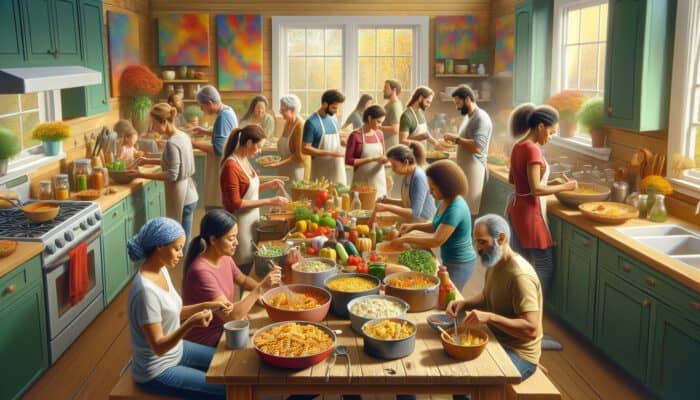
When designing your menu, it is crucial to adjust your recipes according to the number of participants. This foresight helps prevent the common issues of food waste or shortages, both of which can detract from the overall reunion experience. Concentrate on dishes that are easily adaptable and maintain their quality when increased in quantity, such as pasta salads or casseroles that can be multiplied with ease.
Consider implementing versatile templates for popular recipes, allowing for ingredient substitutions based on personal preferences or dietary restrictions. This flexibility ensures that every guest can enjoy the meal, contributing to a relaxed atmosphere and making everyone feel involved in the cooking process. Remember, the ultimate goal is to create a delightful experience where everyone plays a part in contributing to the family feast, thereby strengthening bonds through shared culinary efforts.
What Factors Should You Weigh When Choosing Ingredients?
Evaluating Fresh Versus Processed Ingredients
When selecting ingredients, the ongoing debate between fresh and processed options often arises. Fresh produce significantly enhances the quality of your dishes, providing superior taste and nutrition, which is especially important for family gatherings where you aim to create healthy, hearty meals. However, processed ingredients can offer convenience, particularly when catering to larger groups, helping to simplify the cooking process.
Consider employing a blend of both: use fresh vegetables for salads and garnishes, while relying on processed options for staples like pasta or canned tomatoes. This strategy maintains the overall quality of your meals while streamlining preparation. Ultimately, finding the right balance depends on your cooking preferences and the time available leading up to the reunion, ensuring that your meals are both appetising and practical.
What Are the Most Effective Storage Methods for Ingredients?
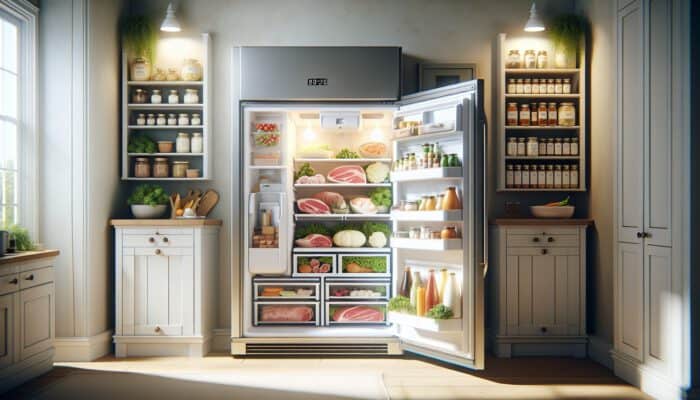
Keeping your ingredients fresh and safe is crucial when preparing for a large gathering. Implementing proper storage methods is essential to avoid waste and ensure everything is ready when needed. Start by refrigerating perishable items, such as meats and dairy, while storing dry goods in a cool, dry environment to maintain their quality and freshness.
Organise your fridge and pantry to facilitate a smooth cooking process. Utilise clear containers to keep track of ingredients and label everything to prevent confusion. Additionally, plan to prep ingredients in advance, such as washing and chopping vegetables, to save valuable time on the day of the reunion. A well-organised approach will enhance your efficiency, allowing you to focus on creating delightful meals for your family while minimising stress.
How Can You Adjust Recipes for Diverse Dietary Needs?
In today's varied culinary landscape, accommodating different dietary restrictions and preferences is essential to ensure that everyone feels included. Adapting recipes for different group requirements, such as food allergies or specific preferences, simplifies the cooking process. Start by gathering information regarding your guests' needs in advance to tailor your menu accordingly.
For instance, if you have gluten-free guests, consider offering alternatives like quinoa or rice dishes. If there are vegetarians or vegans in your party, prepare hearty vegetable-based options that do not skimp on flavour. By being attentive to these dietary needs, you can create a welcoming environment that encourages everyone to enjoy the meal together. This thoughtful consideration not only elevates the overall experience but also makes your reunion even more remarkable.
Expert Advice for Cooking for a Large Family Reunion
Essential Techniques from Culinary Experts to Streamline Cooking
Employing tried-and-true methods can significantly enhance your cooking experience when preparing for a large gathering. Professional chefs consistently stress the importance of efficient prep work to streamline the entire cooking process. Begin by breaking down your cooking tasks into manageable steps, prioritising time-sensitive items first, such as marinating proteins or baking desserts. This level of organisation ensures that every component comes together seamlessly and rhythmically.
Timing plays a pivotal role in the kitchen. Develop a comprehensive schedule outlining when each dish should be prepared and cooked to manage your time effectively. Set timers for each cooking phase to avoid overcooking or undercooking, guaranteeing that every dish is served at its prime. These techniques not only save time but also alleviate stress, transforming your family reunion into a more enjoyable experience for everyone involved.
How Does Organisation Contribute to Successful Cooking?
Structured planning is crucial for achieving success in the kitchen, especially when preparing meals for a large group. Effective organisation can make the difference between a chaotic kitchen and a smoothly operating one. Real-world examples of checklists used by professionals can be incredibly beneficial in efficiently managing the numerous tasks involved in large-scale meal preparation.
Begin by compiling a list of all the dishes you plan to prepare, then break them down into the necessary ingredients, tools, and cooking methods required. By having a clear vision of your tasks, you can allocate time more effectively and ensure nothing is overlooked. This methodical approach enhances efficiency and creates a relaxed cooking environment where creativity can thrive.
Maintaining High Standards of Quality in Your Cooking
To elevate your family dishes and guarantee consistent results, it is essential to uphold quality standards throughout the cooking process. This involves selecting fresh ingredients, focusing on appropriate cooking techniques, and paying attention to presentation. Simple practices, such as correct seasoning and careful cooking durations, can remarkably enhance both the flavour and visual appeal of your meals, making them more enticing for your guests.
Incorporate trusted strategies, such as tasting as you go, to adjust flavours and ensure a well-rounded dish. Additionally, consider using high-quality cookware to achieve better heat distribution and cooking results. By prioritising quality and execution, your reunion will feature hearty, memorable meals that elevate the overall dining experience, leaving a lasting impression on all attendees.
What Recipes Are Ideal for Large Gatherings?
Starting with Simple Appetisers to Create a Welcoming Atmosphere
Kicking off your family reunion with uncomplicated appetisers sets a friendly tone, encouraging guests to socialise while enjoying delightful bites. Choose easy starters that can be prepared in advance, such as vibrant vegetable platters paired with a variety of dips or skewered meats. These options not only build excitement but also help sustain energy levels throughout the event.
Consider offering an assortment of dips, like hummus or tzatziki, alongside fresh vegetables and artisan bread. Another excellent choice is a cheese and charcuterie board that allows for creativity and individuality, enabling guests to mix and match flavours to their liking. By providing a selection of starters, you create an inviting atmosphere that sparks conversation and connection among family members, enhancing the overall experience of your gathering.
Can You Personalise Main Dishes for Unique Touches?
Customising your main dishes is a fantastic way to engage guests and make the reunion feel more intimate and memorable. Consider modifying core recipes by incorporating unique herbs, spices, or proteins to construct a diverse menu that reflects everyone's preferences. For example, a traditional lasagna can easily be adapted by swapping meat for roasted vegetables or using a different cheese blend for a delightful twist.
Encourage family members to share their favourite recipes, enriching the flavour profile and fostering a sense of shared history through the meals. This collaborative effort not only provides variety but also strengthens family bonds through culinary traditions. Ultimately, customisation can transform ordinary dishes into extraordinary experiences that highlight each person's unique tastes and contributions.
Ending on a Sweet Note with Delicious Desserts to Enrich the Gathering
Wrapping up your family reunion with a sweet treat is essential for creating lasting memories among all attendees. Choose crowd-pleasing desserts that are quick to prepare, such as fudgy brownies, refreshing fruit tarts, or delightful cupcakes. These treats can be made ahead of time, allowing you to concentrate on the main meal during the gathering and ensuring a smooth flow of events.
- Brownies with added nuts or chocolate chips provide a rich and satisfying indulgence.
- Fruit tarts showcasing seasonal fruits offer a light and refreshing dessert option.
- Mini cheesecakes with various toppings serve individual portions, catering to different tastes.
- Classic cookies like chocolate chip or oatmeal raisin appeal to nostalgic favourites.
Always consider providing a range of dessert choices to accommodate varying tastes and dietary restrictions. By offering a selection of sweet treats, you ensure that guests leave with delightful memories of the reunion, reinforcing the joy of coming together as a family.
Research-Backed Benefits of Cooking for a Large Family Reunion
Implementing Nutritional Strategies for Balanced Group Meals
Incorporating balanced meals is essential for promoting well-being during family reunions. Emphasising nutritional strategies allows you to provide healthy options while keeping the meal enjoyable for everyone. Focus on integrating whole foods, including whole grains, lean proteins, and a vibrant variety of fruits and vegetables, ensuring all guests feel satisfied and nourished.
When planning your menu, strive for a balanced mix of nutrients, ensuring that each dish contributes positively to your guests' overall health. For instance, adding nuts and seeds to salads can provide healthy fats and protein, creating a fulfilling dining experience. This thoughtful approach promotes well-being while allowing for indulgence, ultimately crafting a satisfying and enjoyable experience for all attendees.
What Makes Collaborative Cooking Experiences Rewarding for Families?
The emotional and social benefits derived from shared cooking efforts can greatly enhance the reunion experience. Engaging in collaborative cooking fosters bonding through shared activities, allowing family members to reconnect and strengthen relationships while preparing meals together. This interaction creates a sense of belonging and unity among participants, enriching the overall gathering.
As guests assist in preparing dishes, they share stories and memories, adding depth to the experience. Collaborative cooking can also introduce younger generations to family traditions, ensuring that culinary legacies endure. The positive atmosphere cultivated by these collective efforts enhances the joy of the gathering and leaves lasting impressions on everyone involved, making the reunion truly unforgettable.
Effective Long-Term Meal Planning Tips for Future Gatherings
Efficient meal planning can simplify future family gatherings, making subsequent events less daunting and more enjoyable for all. Drawing on studies about long-term meal planning, consider implementing strategies such as batch cooking or meal prepping to streamline the process. Preparing dishes in advance allows you to focus on enjoying the reunion experience rather than stressing about cooking.
Real-world examples, such as making large portions of sauces or casseroles, can save time and effort on the day of the event. By establishing a routine that works for your family, you can create a smoother cooking experience that enhances the joy of reunion gatherings. This foresight reduces stress and fosters anticipation for future events, allowing everyone to relish the time spent together.
How to Effectively Manage Cooking Time During the Reunion?
Prioritising Tasks for Maximum Efficiency in the Kitchen
Efficient time management is essential when preparing for a large family reunion. Breaking down the cooking process into manageable tasks enables you to focus on what needs to be done first, thus avoiding last-minute rushes that create unnecessary stress. Start by creating a detailed plan that outlines each step of the cooking process, from shopping for ingredients to serving the final meal.
Consider using a timeline to ensure that each dish is prepared in the appropriate order. For instance, you might want to start with items that require longer cooking times, such as roasts or baked dishes, before transitioning to quicker preparation tasks like salads or side dishes. This structured approach enhances efficiency and ensures that everything comes together seamlessly on the day of the reunion, allowing you to enjoy the gathering alongside your family.
Why Is Multitasking Important in the Kitchen?
In a bustling kitchen, multitasking becomes vital for achieving a seamless cooking experience. Managing multiple elements simultaneously can significantly reduce meal preparation time, enabling you to focus on other aspects of the reunion. For example, while one dish is simmering, you can chop vegetables or prepare another component, maximising productivity and minimising downtime.
However, effective multitasking requires organisation and practice. Set up your workspace to facilitate easy movement between tasks, keeping everything within reach. By mastering the art of multitasking, you can maintain a smooth workflow in the kitchen, stay on schedule to deliver a delicious meal for your family reunion, and ensure the event is enjoyable for all.
Efficiently Wrapping Up Preparation to Enhance Enjoyment
As the cooking process nears its conclusion, it is crucial to streamline your final steps to keep everything on track. Effectively wrapping up your preparation helps maintain a stress-free atmosphere where you can fully enjoy your family's company. Start by reviewing your checklist to ensure all tasks are completed and that dishes are ready for serving, creating a sense of accomplishment.
Take a moment to breathe and appreciate the effort you've invested in preparing the meal. Lastly, ensure everything is beautifully presented, as the visual aspect of food greatly enhances the dining experience. By managing the final stages efficiently, you can transition smoothly into enjoying the family reunion, allowing everyone to savour the delicious food you’ve prepared with care.
Accurately Timing Your Recipes for Optimal Results
Utilising timers and clocks effectively is essential for accurately timing your recipes and avoiding issues like overcooking or undercooking. Setting alerts for each stage of preparation enables you to concentrate on other tasks while maintaining control over the cooking process. This method not only ensures consistent results but also helps you manage your time effectively.
Moreover, consider using a central timer that is easily visible throughout the kitchen. This approach will assist you in staying organised and on schedule. By implementing these techniques, you can achieve perfectly cooked meals that delight your family, making the reunion a memorable experience filled with joy and delicious food.
Organising Kitchen Tools and Ingredients for Enhanced Efficiency
Effectively organising your kitchen tools and ingredients is vital for streamlining the cooking process. Ensure that all utensils, cookware, and ingredients are pre-measured and arranged efficiently, keeping everything within easy access. This method reduces delays and helps you adhere to your planned schedule without added pressure during the busy preparation period.
Utilise containers and labels to maintain order and clarity in your workspace. With a clear, organised kitchen, you can focus on the joy of cooking and let your creativity thrive. The outcome will be a more enjoyable cooking experience, leading to a memorable family reunion where everyone can relish the delicious food you've prepared together.
Presenting and Serving Your Meal with Style
Implementing Creative Plating Ideas to Enhance the Dining Experience
Presentation plays an integral role in improving the overall dining experience at your family reunion. Employing creative plating ideas can make your meals visually appealing and elevate the festive atmosphere. Simple techniques, such as layering ingredients, using contrasting colours, and garnishing with fresh herbs, can transform ordinary dishes into stunning culinary creations that delight the senses.
Consider using unique serving platters or bowls that add flair to the presentation. For example, serving salads in mason jars can create an eye-catching display while making it easy for guests to serve themselves. The effort put into presentation not only showcases your culinary skills but also reflects the love and care that went into preparing the meal, significantly enhancing the overall experience for everyone.
How to Ensure Equal Portions for All Guests?
Providing equal portions during your family reunion is essential for promoting harmony and preventing shortages. By implementing fair distribution methods, you can satisfy everyone's appetite while maintaining balance. Consider using portioning tools, such as measuring cups, spoons, or ice cream scoops, to help serve consistent portions for all attendees.
- Use a ladle for soups and stews to ensure everyone receives a fair serving.
- Employ a measuring scale to maintain equal portions.
- Utilise cookie scoops to ensure uniform servings of sides and maintain consistency.
- Implement measuring cups for salads and grains to provide balanced servings for all guests.
By being mindful of portion sizes, you can ensure that every guest feels valued and satisfied, contributing to a more enjoyable dining experience. This attention to detail will leave a positive impression and foster camaraderie among family members, making the reunion even more memorable.
Smartly Handling Leftovers to Extend the Celebration
Leftovers can be a wonderful opportunity to prolong the spirit of the reunion, transforming extra food into new meals that are equally delicious. Smartly repurposing leftovers not only reduces waste but also allows you to savour the flavours of the gathering long after the event concludes. Consider turning roasted vegetables into a hearty soup or using leftover meat in sandwiches or salads to showcase your culinary creativity.
Store any remaining food in airtight containers to maintain freshness, and label them with dates to ensure everything is consumed promptly. This practice minimises waste and creates an opportunity for creativity in the kitchen as you experiment with new combinations. By thoughtfully handling leftovers, you can keep the reunion's spirit alive while enjoying delicious meals in the days that follow.
Proven Strategies for Cooking for a Large Family Reunion
Building a Supportive Team for a Collaborative Cooking Experience
Involving others in the cooking process can be incredibly rewarding and foster camaraderie among family members. Building a supportive team not only shares the workload but also cultivates a collaborative environment where family members can relish the experience together. Encourage participation by assigning specific tasks to each person based on their strengths and interests, leveraging everyone's skills to create a fantastic meal.
Consider establishing a cooking schedule that allows everyone to contribute at their own pace, promoting teamwork and unity. This shared effort not only lightens the host's workload but also fosters bonding through collaborative cooking. Ultimately, a supportive team enhances the reunion experience, making it a memorable occasion for everyone involved.
Adapting to Unexpected Changes During the Reunion
Flexibility is crucial when hosting a family reunion, as unexpected changes can arise at any moment. Being prepared for variations, such as ingredient substitutions or last-minute dietary requests, is vital for keeping the focus on enjoyment and fun. Maintain a positive attitude and communicate openly with your guests about any adjustments that may be necessary, fostering an atmosphere of understanding and collaboration.
Consider keeping a few backup recipes on hand that utilise common ingredients, allowing you to adapt quickly without stress. This adaptability not only demonstrates your willingness to accommodate others but also enriches the reunion experience. Embracing change fosters a relaxed atmosphere that encourages creativity and problem-solving, making the gathering even more enjoyable for everyone.
Reflecting on the Experience for Continuous Improvement
Post-event evaluations can be an invaluable tool for enhancing future gatherings. Reflecting on your experiences, both positive and negative, aids you in refining your approach to cooking for family reunions. Consider discussing what worked well and where improvements could be made with your family members to gather feedback and insights.
Emphasising the positive outcomes and lessons learned helps you continue building on your successes while addressing any challenges that arise. This iterative process strengthens your cooking skills and enhances the bond among family members, creating a shared sense of accomplishment and anticipation for future reunions.
Frequently Asked Questions About Family Reunion Cooking
What key factors should I consider when planning a menu for a large family reunion?
Consider dietary restrictions, the number of guests, and food preferences. Opt for a range of proteins, vegetables, and carbohydrates to cater to diverse tastes, ensuring that some items can be prepared ahead of time for convenience, thereby enhancing the overall experience for everyone.
How can I enhance the efficiency of my cooking process for a large gathering?
Create a detailed plan that breaks down tasks and prioritises those with longer cooking times. Organise your kitchen tools and ingredients beforehand to streamline your process and reduce stress, ensuring everything runs smoothly during the reunion.
What are some budget-friendly meal options for large gatherings?
Focus on bulk purchasing seasonal ingredients, which are often more cost-effective. Dishes like pasta, casseroles, or salads are excellent choices that can be prepared in large quantities at a low cost, ensuring satisfaction for everyone involved.
How can I accommodate dietary restrictions at a family reunion?
Gather information about guests' dietary needs in advance and tailor your menu accordingly. Include vegetarian, vegan, gluten-free, and allergy-friendly options to guarantee that everyone can enjoy the meal and foster inclusivity.
What types of desserts work well for large groups?
Crowd-pleasing desserts like brownies, fruit tarts, and mini cheesecakes are quick to prepare and can be made in advance. Offering a variety ensures there’s something for everyone to enjoy, adding to the festive atmosphere of the reunion.
How can I keep my ingredients fresh while preparing a large meal?
Store perishable items in the refrigerator, and organise your kitchen so ingredients are within easy reach. Use clear containers for dry goods and label everything to prevent mix-ups, ensuring efficiency in your cooking process.
What are some creative plating ideas for my reunion meal?
Utilise colourful ingredients, layer dishes attractively, and garnish with fresh herbs to enhance visual appeal. Unique serving platters can also add an aesthetic touch to your presentation, making your meals more inviting and enjoyable.
How can I effectively manage cooking time during a reunion?
Utilise timers and create a detailed cooking schedule. Prioritise tasks and, where possible, multitask to ensure dishes are prepared and served on time, thereby enhancing the overall experience for everyone involved.
What are the benefits of shared cooking experiences during a reunion?
Shared cooking fosters bonding, creates opportunities for storytelling, and strengthens family traditions. Engaging everyone in the cooking process enhances the reunion's overall enjoyment, making it a memorable occasion for all.
How should I handle leftovers after the family reunion?
Store leftovers in airtight containers and label them with dates for freshness. Consider repurposing them into new meals to extend the reunion's spirit and minimise waste, allowing everyone to enjoy the flavours for days to come.
Connect with us on Facebook now!
The post How to Cook for a Big Family Reunion: Easy Tips for Everyone appeared first on https://cookinggods.com
The Article Cook for a Big Family Reunion: Simple Tips for All Was Found On https://limitsofstrategy.com
The Article Cook for a Big Family Reunion: Easy Tips for Everyone found first on https://electroquench.com