Unlock the Secrets of Kombucha Brewing: Your Ultimate Guide to Successful Fermentation
What is Kombucha and What are its Captivating Historical Origins?

Understanding how to create homemade kombucha safely begins with appreciating it as a delightful fermented tea beverage that has gained immense popularity, celebrated for its lively effervescence and myriad potential health benefits. This ancient drink traces its origins back to the culturally vibrant region of Northeast China, where it evolved over centuries into the refreshing beverage that many people cherish today. By carefully transforming simple ingredients like tea and sugar through a meticulous natural fermentation process, kombucha develops a uniquely tangy, fizzy character that is now enjoyed worldwide. To fully appreciate and enjoy kombucha, it is crucial to adhere to stringent cleanliness standards throughout the brewing process, effectively protecting against contamination while ensuring a delightful drinking experience.
Essential Ingredients for Safe and Successful Kombucha Brewing
To achieve success in brewing kombucha, a selection of vital ingredients is required: tea, sugar, and a SCOBY (Symbiotic Culture of Bacteria and Yeast). While these components are relatively straightforward, prioritising safety during the brewing process is paramount. For example, opting for non-organic tea may introduce harmful pesticides that can negatively affect fermentation. Therefore, it is advisable to select organic varieties of both tea and sugar, ensuring that your sugar is pure and free from additives. Additionally, common mistakes include the use of metal utensils or containers that may react unfavourably with the brew; it is always best to choose glass, ceramic, or food-grade plastic to maintain the integrity and quality of your kombucha.
Establishing an Ideal Brewing Environment for Maximum Fermentation Success
Creating the perfect brewing environment is critical for achieving successful fermentation results. Begin by selecting a clean and stable area that is shielded from direct sunlight, as exposure to light and heat could disrupt the delicate fermentation process. Aim to maintain a consistent temperature between 21°C and 29°C (70°F and 85°F) for optimal outcomes. To ensure a hygienic workspace, thoroughly sanitise all surfaces using vinegar or hot, soapy water, allowing everything to dry completely. A tidy and uncluttered brewing area not only promotes a healthier brew but also enhances your overall enjoyment of the kombucha brewing experience.
How Does the Fermentation Process Work and How Should You Monitor Your Brew?

The fermentation process for kombucha typically lasts between 7 to 14 days, depending on your flavour preferences. Start by steeping your tea, adding sugar, and allowing the mixture to cool before introducing the SCOBY. Regularly sample your brew by tasting it; this method allows you to effectively gauge its flavour development. Strive for a harmonious balance between sweetness and acidity, which usually indicates that the kombucha is ready for bottling. Additionally, monitoring the pH level—ideally between 2.5 and 3.5—can help prevent spoilage and ensure a safe, effervescent final product.
Discovering the Health Benefits and Important Safety Considerations
Kombucha is frequently praised for its potential health benefits, particularly in promoting gut health, attributed to its rich probiotic content. However, moderation is essential, as excessive consumption can lead to digestive discomfort. Furthermore, some individuals may experience allergies or sensitivities to specific ingredients found in kombucha. Consulting with a healthcare professional before introducing kombucha into your daily routine can help you enjoy its benefits while prioritising your overall wellness and safety.
What Equipment is Necessary for Successful Kombucha Brewing?
Essential Tools for Beginners in Kombucha Brewing
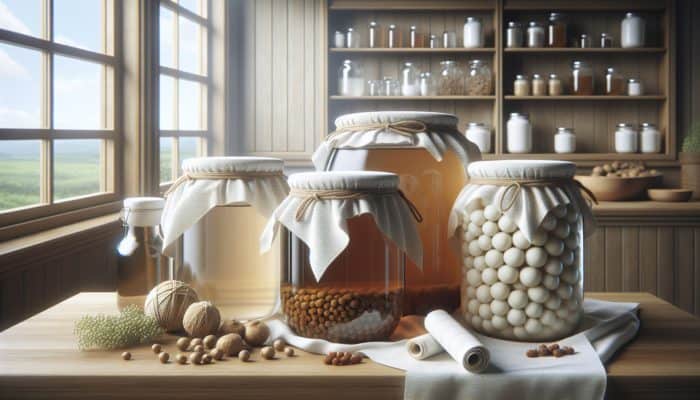
Starting your kombucha brewing journey requires a set of essential tools to ensure safe fermentation. You will need large glass jars for the brewing process, breathable cloths to cover these jars, and rubber bands to secure the cloths tightly. Selecting durable materials is critical; opt for glass jars that can withstand pressure, and ensure that your cloth is clean and free from contaminants. Avoid using plastic containers, as they may leach harmful chemicals into your brew. Investing in reliable and sturdy equipment significantly enhances your chances of achieving brewing success and crafting delicious kombucha.
How to Choose the Right Brewing Vessels for Optimal Fermentation Results?
When selecting brewing vessels, prioritising safety and functionality is essential for effective kombucha brewing. Look for containers made from food-grade glass, stainless steel, or ceramic that will not react negatively with the acidic nature of kombucha. Ensure that the size of your brewing vessel is appropriate for the batch you plan to create; generally, 1-gallon jars work well for beginners. Key factors to consider when choosing your vessels include:
- Non-reactive materials that prevent chemical reactions
- Wide openings for easy access and cleaning
- Durability to withstand the pressure of fermentation
- Clear markings for accurate measurements of ingredients
Selecting the right brewing vessels plays a significant role in ensuring the quality and safety of your homemade kombucha.
How to Properly Clean and Maintain Your Kombucha Brewing Equipment?
Implementing rigorous cleaning practices is essential in kombucha brewing to avoid unwanted bacterial growth that could jeopardise your brew. After each batch, thoroughly wash all brewing equipment using hot, soapy water, ensuring a complete rinse to eliminate any soap residue. For a more intensive sanitation process, consider using vinegar or a diluted bleach solution. Allow all equipment to dry completely, as moisture can attract unwanted microorganisms that may spoil your kombucha. By establishing a simple yet effective cleaning routine, you can ensure that your brewing gear remains hygienic, significantly contributing to the success of your kombucha adventures.
What Measuring Tools are Essential for Accurate Kombucha Brewing?
Accurate measurements are crucial in brewing kombucha, as they help guarantee consistent results with each batch. Essential tools such as digital scales, thermometers, and hydrometers are invaluable for monitoring key variables throughout the brewing process. A digital scale ensures precise measurements of sugar, while a thermometer provides accurate temperature readings—both critical for successful fermentation. When selecting these tools, opt for user-friendly, reliable models that will enhance your overall brewing experience. Consistent monitoring with these tools helps prevent common errors, ensuring that your kombucha is delicious and of high quality every time.
What Safety Accessories and Storage Solutions are Required for Kombucha?
Enhancing your brewing safety can be effectively achieved through the right accessories. Consider wearing gloves and a mask when handling your SCOBY to minimise the risk of contamination during the brewing process. Additionally, selecting proper storage containers for your finished kombucha is equally vital; opt for tightly sealed glass bottles to prevent carbonation loss or potential bottle bombs. Organising your brewing equipment is also essential; designate a specific area for your brewing supplies to reduce the risk of cross-contamination. By implementing these practical tips, you can maintain a hygienic environment conducive to brewing delicious kombucha.
Expert Techniques for Safely Crafting Homemade Kombucha
Advanced Fermentation Techniques for Experienced Brewers
Once you have mastered the basics of kombucha brewing, exploring advanced fermentation techniques can elevate your kombucha to extraordinary levels. For example, controlling the duration of fermentation allows you to customise the flavour profile, enabling you to create a brew that perfectly aligns with your individual tastes. Many kombucha enthusiasts advocate for incorporating a second fermentation stage, during which you bottle your kombucha with added flavourings such as ginger or berries. This technique not only enhances the overall flavour but also increases carbonation, resulting in a fizzy beverage. Timing is crucial; closely monitor your brew to prevent overfermentation, which can lead to undesirable flavours.
Why is Monitoring pH Levels Vital in Kombucha Brewing?
Careful monitoring of the pH levels in your kombucha is crucial to ensure both safety and quality. The acidity of kombucha, ideally maintained between 2.5 and 3.5, inhibits the growth of harmful bacteria while promoting the proliferation of beneficial bacteria. Regular testing using pH strips or a meter will help you track the fermentation progress and prevent spoilage. If the pH rises too high, consider extending the fermentation time or adjusting the sugar content to achieve optimal acidity, ensuring a consistently safe and delicious brew each time.
Expert Suggestions for Enhancing the Flavour Profile of Your Kombucha
To refine and elevate the flavour of your kombucha, consider adding fresh fruit, herbs, or spices during the second fermentation stage. Start with small quantities to ensure safety throughout fermentation. For example, adding a slice of ginger or a handful of berries can create delightful and complex flavour profiles without overpowering the brew. Experimentation is key; maintain detailed notes on the quantities and combinations used to replicate successful batches while also avoiding potential issues in future brews. This approach allows for creativity in crafting your perfect kombucha.
Research-Backed Benefits of Safely Brewing Homemade Kombucha
Health Benefits Associated with Proper Fermentation
Proper fermentation can unlock a wide range of health benefits attributed to kombucha. During fermentation, beneficial compounds, including probiotics, vitamins, and antioxidants are produced, supporting digestive health and overall wellness. To maximise these benefits, ensure that your brewing conditions are ideal, use high-quality ingredients, and adhere to strict hygiene practices. A well-fermented batch can provide a refreshing, healthful drink that supports your overall wellness while minimising risks associated with improper brewing techniques.
How Does Safe Kombucha Brewing Enhance Digestive Health?
Safe kombucha brewing can significantly improve digestive health due to the probiotics generated during fermentation. These beneficial microorganisms assist in balancing gut flora, fostering healthy digestion. Research indicates that regular consumption of kombucha may enhance gut function and alleviate various digestive issues. Incorporating kombucha into your daily routine—such as enjoying a small glass with meals—can amplify its digestive benefits while allowing you to monitor your body’s response and adjust your intake as necessary for optimal health.
Long-Term Benefits of Home Brewing Kombucha
Home-brewed kombucha offers long-term advantages, including substantial cost savings compared to commercially available options. As you refine your brewing methods, you gain control over quality, allowing you to customise flavours and sugar levels to suit your personal preferences. By adhering to reliable brewing practices, such as maintaining a clean environment and using high-quality ingredients, you ensure the long-term quality of your kombucha, transforming this new hobby into a delightful and cost-effective addition to your lifestyle.
Boosting Immune Health through Safe Kombucha Brewing Practices
Research suggests that the probiotics present in homemade kombucha may enhance the immune response and improve overall resilience. By brewing safely, you can optimise these benefits while ensuring hygiene to prevent contamination. Consider flavouring your kombucha with ingredients known to support immunity, such as elderberries or citrus fruits. By closely monitoring the fermentation process and maintaining cleanliness, you can create a fizzy beverage that not only tastes great but also effectively supports your immune health.
Safe Kombucha Brewing as a Strategy for Effective Weight Management
The relationship between kombucha and weight management revolves around its potential effects on metabolism and appetite control. The probiotics in kombucha may help balance gut flora and influence how your body processes nutrients. To safely incorporate kombucha into your weight management strategy, practice portion control and remain vigilant for any adverse reactions. Exploring different flavours and fermentation durations can help you discover a balance that aligns with your goals while ensuring an enjoyable and beneficial experience.
How to Effectively Troubleshoot Common Kombucha Brewing Issues?
Identifying Early Signs of Fermentation Problems
Recognising signs of fermentation problems promptly is essential for maintaining the quality of your kombucha. Be vigilant for indicators such as mould, unusual off-flavours, or excessive sweetness, which may signal underlying issues. Quick fixes include discarding any visible mould and starting a new batch if contamination is suspected. Regularly tasting your kombucha can help prevent these issues; if it tastes off, making adjustments to fermentation time or environmental conditions may be necessary. Staying vigilant throughout the brewing process is crucial to ensuring a safe and successful kombucha experience.
What Causes Overly Sweet or Sour Kombucha Results?
Overly sweet or sour kombucha can arise from various factors, including fermentation time and sugar levels. If your brew tastes too sweet, it may require more time to ferment; conversely, if it is too sour, it might have fermented for too long. To troubleshoot flavour balance, consider these helpful tips:
- Adjust the fermentation duration according to taste preferences
- Monitor and modify sugar levels in your recipe
- Ensure that the brewing temperature remains within the correct range
- Taste regularly to evaluate progress and make adjustments
With careful attention to detail, you can achieve a perfect balance of flavours in your kombucha, ensuring a delightful drinking experience every time.
When is the Best Time to Start a New Batch Safely?
Recognising when to initiate a new batch of kombucha is crucial for maintaining freshness and quality. Signs of readiness include a balanced flavour between sweetness and acidity, with visible bubbles indicating active fermentation. When starting a new batch, ensure all equipment is thoroughly cleaned, and fresh ingredients are used to avoid contamination. Transitioning safely into a new brewing cycle allows you to continue enjoying delicious, healthy kombucha without interruption, keeping your brewing routine consistent and enjoyable.
Effectively Managing Temperature Fluctuations During Brewing
Temperature fluctuations can significantly impact the fermentation process, altering flavours and potentially leading to spoilage. To manage these variations effectively, consider using heat mats or insulated fermentation chambers to maintain a stable environment. Regularly check your brew's temperature with a thermometer to monitor any changes effectively. If you observe temperature-related issues, adjust the placement of your brewing vessels to avoid direct drafts or heat sources. Consistent monitoring and adjustments of the environment will contribute to a successful brewing outcome and a delightful kombucha experience.
Final Steps for Safely Storing and Enjoying Your Kombucha
Implementing Proper Bottling Techniques for Maximum Safety
When your kombucha is ready for bottling, adhering to correct techniques is essential to ensure carbonation safety. Use clean, sterilised bottles, preferably glass, with secure, tight-fitting lids to prevent pressure build-up during fermentation. Pour the kombucha gently to minimise the risk of losing carbonation, leaving a small headspace at the top of each bottle. This practice helps prevent overflow or bottle explosions that could occur during the fermentation process. By bottling with care, you can enjoy a fizzy, refreshing drink without unnecessary mishaps, ensuring a delightful drinking experience.
How Long Can You Effectively Store Kombucha?
Properly storing your homemade kombucha can significantly extend its shelf life and preserve its quality. Once bottled, keep your kombucha refrigerated to slow down fermentation and maintain its flavours. Typically, kombucha can last up to a month or more when stored in the fridge, but remain vigilant for signs of spoilage, such as unpleasant odours or unusual flavours. Factors such as the initial fermentation duration and any flavour additions can also influence how long your brew remains fresh, so consistent monitoring is key to enjoying high-quality kombucha.
Enjoying Your Homemade Brew Responsibly
Responsible consumption of kombucha enhances your overall experience while prioritising health and wellness. Moderate intake—such as enjoying a small glass with meals—can amplify the benefits of this fizzy drink. Pairing your kombucha with food not only elevates its flavours but also complements your meals, creating a delightful tasting experience. Be mindful of how your body responds; tracking your digestive system's reactions can help you enjoy kombucha safely while celebrating its unique flavours and potential health benefits. Enjoying kombucha responsibly allows you to fully appreciate this remarkable beverage.
Common Questions About Kombucha Brewing Answered
What is the ideal brewing temperature for kombucha?
The ideal brewing temperature for kombucha ranges from 21°C to 29°C (70°F to 85°F). Maintaining this temperature range fosters healthy fermentation processes and optimal flavour development.
Is it safe to drink kombucha every day?
Yes, for most individuals, drinking kombucha daily is generally safe, but moderation remains essential. Begin with a small quantity and monitor how your body responds to the beverage.
How can I determine if my kombucha has gone bad?
Indicators of spoiled kombucha include visible mould, unusual odours, or off-flavours. If you notice any of these signs, it is advisable to discard the batch to ensure safety.
Can I use any tea for brewing kombucha?
While traditional black and green teas are commonly used for brewing, you can experiment with herbal teas as well. However, avoid teas containing oils or additives that may interfere with the fermentation process.
How do I know when my kombucha is ready to bottle?
Kombucha is ready for bottling when it has a balanced flavour profile—sweet and tangy—and shows signs of carbonation, such as visible bubbles forming in the brew.
What should I do if my kombucha is too sour?
If your kombucha tastes too sour, consider reducing the fermentation time for your future batches. Additionally, blending your kombucha with fruit juice or a sweetener can help effectively balance the flavour profile.
How long does homemade kombucha last?
Homemade kombucha can remain fresh for up to a month when stored in the fridge. However, its taste and quality may change over time, so regular monitoring is important.
Can I reuse my SCOBY for multiple batches?
Yes, you can reuse your SCOBY multiple times. Ensure it is properly cared for by providing fresh tea and sugar for each new batch to maintain its health and effectiveness.
Is it necessary to use sugar in kombucha brewing?
Sugar is essential for fermentation, as it acts as food for the SCOBY. You can experiment with different types of sugar, but avoid recipes that eliminate sugar entirely, as it is crucial for the fermentation process.
What are the benefits of a second fermentation?
A second fermentation enhances carbonation and allows for the addition of various flavours, creating a more complex and enjoyable taste. It also provides greater control over the final product’s sweetness and acidity levels.
Connect with Us on Facebook!
The post How to Make Homemade Kombucha Safely: A Beginner’s Guide appeared first on https://cookinggods.com
The Article Homemade Kombucha: A Safe Beginner’s Guide to Brewing Was Found On https://limitsofstrategy.com
The Article Kombucha Brewing: A Safe Guide for Beginners found first on https://electroquench.com