Understand Why Thyroid Blood Tests Are Crucial for Your Health
Essential Hormones to Monitor in Your Thyroid Blood Test
Private Thyroid Blood Test in Stevenage: A thyroid blood test is an indispensable diagnostic tool that assesses thyroid function by examining levels of key thyroid hormones, including thyroxine (T4) and triiodothyronine (T3), alongside the thyroid-stimulating hormone (TSH). Evaluating these levels is essential for identifying thyroid disorders such as hypothyroidism, where thyroid hormone production is insufficient, and hyperthyroidism, where there is an excess of hormone production. Ensuring a proper balance of these hormones is vital, as they significantly impact your metabolism, energy levels, and overall vitality.
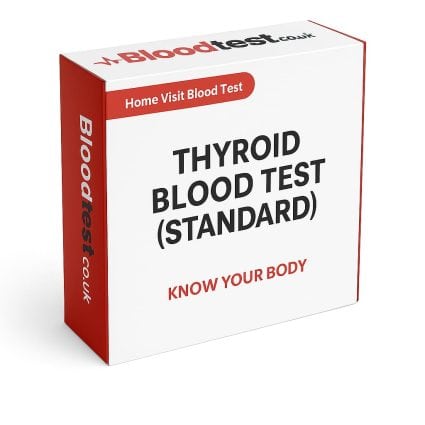

The TSH, which is produced by the pituitary gland, instructs the thyroid gland to produce T4 and T3. When the thyroid does not function optimally, TSH levels may change, signalling potential issues that may need further evaluation. Elevated TSH levels often indicate hypothyroidism, while decreased TSH levels could suggest hyperthyroidism. Regularly monitoring these hormone levels provides critical insights into an individual's metabolic status and can aid in formulating effective, personalised treatment plans.
By comprehensively understanding these hormone levels, healthcare professionals can manage patients with a history of thyroid disorders or those showing symptoms of thyroid dysfunction, such as unexplained weight changes, persistent tiredness, and emotional fluctuations.
Who Should Seriously Consider Getting a Thyroid Blood Test?
Individuals exhibiting signs of thyroid dysfunction should strongly consider undergoing a thyroid blood test. Common indicative symptoms include unexplained fatigue, drastic weight fluctuations, and emotional instability. For some, these symptoms may be subtle yet persistent, warranting thorough evaluation by a healthcare professional. Furthermore, individuals with a family history of thyroid disorders, such as Graves’ disease or Hashimoto’s thyroiditis, should have regular testing to proactively manage their thyroid health.
Specific risk factors might increase the likelihood of developing thyroid disorders. These encompass age, gender (with women facing a higher risk), and existing autoimmune conditions that can adversely affect thyroid function. For instance, individuals with conditions like type 1 diabetes or rheumatoid arthritis are at an increased risk of thyroid complications, underscoring the importance of consistent screening as part of their health strategy.
Consulting a general practitioner (GP) for a thyroid evaluation is advisable, especially if you observe any concerning symptoms. Early detection and intervention can greatly improve the management of thyroid health and contribute to overall well-being.
How Often Should You Have a Thyroid Blood Test?
The recommended frequency for thyroid blood tests is tailored to individual health circumstances and risk factors. Generally, individuals diagnosed with thyroid disorders should have their levels evaluated annually. However, specific timelines may differ depending on the nature of the condition and the individual’s response to treatment. For instance, those undergoing treatment for hypothyroidism may require more frequent testing, particularly following initial diagnosis or any medication adjustments.
For those without a diagnosed thyroid condition but exhibiting symptoms or possessing risk factors, it is wise to consult their GP regarding the appropriate frequency of testing. Regular monitoring can enable early detection of changes in thyroid function, thereby minimising the risk of complications.
Pregnant women or those contemplating conception may also be advised to undergo testing more frequently, given the thyroid's critical role in fetal development and maternal health. Consistent check-ups ensure that both mother and baby maintain optimal health throughout the pregnancy.
What Preparations Should You Make Before a Thyroid Blood Test?
Preparing for a thyroid blood test is usually straightforward, as specific preparations are generally not required. However, it is crucial to inform your healthcare provider about any medications or supplements you are taking, as these could influence your test results. Certain medications, particularly those containing biotin, may interfere with hormone level readings, potentially leading to inaccurate results.
Fasting before the test is typically unnecessary, allowing patients to maintain their usual routines in the days leading up to the appointment. Nonetheless, it is advisable to consult your doctor to confirm whether any specific instructions apply to your unique situation. This attention to detail helps ensure that the test results are as accurate as possible.
On the day of the test, arriving well-hydrated can be beneficial, as proper hydration facilitates blood draws. If you experience anxiety regarding needles, inform the healthcare professional administering the test, as they can provide support and reassurance to ease your concerns.
Expert Perspectives on Thyroid Blood Testing in Stevenage
Real-World Applications of Thyroid Testing Services in Stevenage
Healthcare providers in Stevenage have noticed a significant surge in the demand for thyroid blood tests as public awareness of thyroid issues keeps rising. Routine evaluations at local GP practices and specialised endocrinology clinics have become standard procedure, ensuring that residents receive timely diagnoses and appropriate treatments. Here are a few practical examples of where testing is conducted:
- Lister Medical Centre: Regular health assessments include thyroid evaluations for patients presenting symptoms.
- Stevenage Diagnostic Centre: Provides specialised testing for patients referred by their GPs.
- Kingfisher Practice: Offers thyroid testing as part of comprehensive health evaluations for patients.
- Local NHS hospitals: Frequently conduct thyroid blood tests through their pathology departments.
These examples highlight the proactive measures taken by healthcare professionals in Stevenage to address concerns about thyroid health. Moreover, incorporating thyroid screening into routine health checks enables early identification of potential thyroid disorders, facilitating timely intervention and effective management.
Innovative Advances in Thyroid Testing Technology
Recent advancements in thyroid testing technology have significantly improved the accuracy and speed of diagnoses. Notably, newer, more sensitive TSH assays have been developed, allowing for earlier detection of thyroid dysfunction. These innovations not only enhance test reliability but also reduce the risk of false negatives, providing healthcare professionals with more accurate data for patient management.
Additionally, the introduction of point-of-care testing devices has enabled quicker and more precise diagnostics. These portable devices can deliver results within minutes, allowing for immediate clinical decisions, particularly advantageous in urgent care settings. Such breakthroughs are transforming the diagnosis and management of thyroid conditions, equipping healthcare providers in Stevenage with superior tools to serve their patients effectively.
Ongoing research into thyroid biomarkers continues to broaden the understanding of thyroid health, potentially leading to even more refined testing methods in the future. This progress underscores the importance of regular testing and monitoring, as early interventions are critical for achieving optimal health outcomes.
How Can Residents of Stevenage Access Thyroid Testing Services?
Residents of Stevenage have various options for accessing thyroid testing. The most common method is to visit their GP. Local surgeries, such as Lister Medical Centre and Kingfisher Practice, provide thyroid assessments as part of their standard health check procedures.
In addition to GP services, residents can utilise local NHS hospitals, where testing is available through pathology departments. For instance, Lister Hospital offers a comprehensive range of thyroid testing services for both inpatients and outpatients, with referrals typically initiated by a GP.
For individuals seeking a private healthcare experience, several clinics, including Stevenage Diagnostic Centre and Nuffield Health facilities, provide thyroid testing for a fee, ensuring a more personalised approach to health management.
Additionally, some pharmacies in Stevenage have begun to offer basic thyroid testing services, further enhancing convenience for residents keen to monitor their thyroid health. Options include:
- Lister Hospital: Comprehensive thyroid testing available with a GP referral.
- Stevenage Diagnostic Centre: Private testing for quicker results.
- Kingfisher Practice: Routine Thyroid Function Checks provided.
- Local pharmacies: Basic thyroid screening available.
All these avenues empower residents to take proactive control of their thyroid health and ensure easy access to essential testing services.
Key Preparations for Your Thyroid Blood Test
Essential Preparations for Your Upcoming Thyroid Blood Test
Before undergoing a thyroid blood test, it is vital to follow any specific instructions provided by your healthcare provider. Although fasting is generally not required, some healthcare practitioners may recommend avoiding certain medications or supplements that could potentially skew the results.
If your doctor has advised fasting, this usually involves refraining from food and drink for a specified period before the test. Clarifying these details in advance ensures that your results accurately reflect your true thyroid function.
Furthermore, if you are currently taking medication for a thyroid condition, it is advisable to consult your healthcare provider about whether to continue taking your medication leading up to the test. Consistency in medication is crucial for maintaining stable hormone levels, resulting in more precise test outcomes.
Being well-prepared not only alleviates anxiety regarding the procedure but also ensures that you receive the most accurate readings possible from the test.
What to Anticipate During the Thyroid Blood Test Procedure
The thyroid blood test is a straightforward and efficient procedure. A trained healthcare professional will typically draw blood from a vein in your arm, often from the inner elbow area. While the thought of needles may induce anxiety in some, the procedure is usually quick, lasting just a few minutes.
Patients may feel a brief sting or pinch during the needle insertion; however, most find the discomfort minimal and manageable. After collecting the blood sample, pressure is applied to the site to minimise bruising, followed by a small bandage being placed.
Once the test is complete, you can resume your daily activities without any restrictions, making it a convenient option for many. Knowing what to expect can help alleviate concerns and enhance the overall experience.
Expected Timeline for Receiving Your Thyroid Test Results
Typically, results from a thyroid blood test are available within a few days, although the exact timeframe may vary depending on the facility conducting the test. Once the results are available, your healthcare provider will arrange a follow-up appointment to discuss the findings and any necessary next steps.
It is essential to allow sufficient time for your healthcare provider to accurately interpret the results within the context of your overall health, as symptoms, medical history, and other test results can significantly influence the evaluation.
If you experience symptoms that require immediate attention, please do not hesitate to contact your healthcare professional before your scheduled follow-up. They can provide insights and may expedite the interpretation of your test results.
What to Expect After Your Thyroid Blood Test
After completing your thyroid blood test, you can return to your daily activities without delay. Generally, there are no significant restrictions to consider, allowing you to continue your day as usual.
Once your results are available, your healthcare provider will reach out to discuss the findings. If your thyroid levels are within the normal range, you may not require further testing for some time. However, if any abnormalities are identified, your doctor will recommend additional actions, which may include further tests or treatment options.
Maintaining open communication with your healthcare provider is crucial, especially if you have ongoing symptoms or concerns regarding your thyroid health. Following up on any recommendations and scheduling regular check-ups is essential for effectively managing thyroid conditions.
Decoding Your Thyroid Blood Test Results
Understanding Normal Thyroid Levels
Normal thyroid levels may slightly vary among laboratories; however, TSH levels generally range from 0.4 to 4.0 mIU/L. T4 and T3 levels also fall within established normal ranges. Generally, normal T4 levels range from 10 to 23 pmol/L, while T3 levels range from 3.5 to 7.8 pmol/L.
Comprehending these values is crucial, as they provide an initial overview of your thyroid health. Your healthcare provider will interpret your results, considering your individual health context, including any presenting symptoms or existing health conditions.
If the results fall within the normal range, typically no further action is required. However, if levels deviate from these established ranges, your healthcare provider will discuss the implications for your health and potential subsequent steps.
What Steps to Take If Your Results Are Abnormal?
Abnormal results from a thyroid blood test may indicate conditions such as hypothyroidism or hyperthyroidism. Elevated TSH levels alongside low T4 may suggest hypothyroidism, while low TSH levels combined with high T4 can indicate hyperthyroidism.
In such cases, your healthcare provider will likely recommend further testing to confirm the diagnosis and ascertain the underlying cause. This could involve antibody tests to detect antibodies associated with autoimmune thyroid disease or imaging studies to evaluate thyroid structure.
Treatment options will depend on the specific thyroid disorder identified. For example, hypothyroidism is often managed with levothyroxine, a synthetic hormone replacement, while hyperthyroidism may require medications, radioactive iodine treatment, or, in certain scenarios, surgical intervention.
Maintaining an open dialogue with your healthcare provider regarding your results and their potential implications is vital for effectively managing any thyroid-related health issues.
Available Treatment Options for Thyroid Conditions
Treatment strategies for thyroid conditions vary based on the specific disorder diagnosed. For individuals with hypothyroidism, the standard treatment involves hormone replacement therapy with levothyroxine, which helps restore normal hormone levels and alleviate symptoms. Regular monitoring of TSH levels is crucial to ensure the effectiveness of the treatment and to make necessary adjustments.
Conversely, hyperthyroidism can be managed through various approaches. Antithyroid medications can inhibit the production of thyroid hormones, while radioactive iodine therapy aims to destroy overactive thyroid cells. This method is often preferred due to its effectiveness and minimal invasiveness. In certain instances, surgical intervention may be necessary to remove part of the thyroid gland.
In addition to medication, implementing lifestyle changes can significantly contribute to managing thyroid health. Regular follow-up appointments with your healthcare provider are essential for ensuring effective treatment and addressing any emerging concerns.
In all cases, early detection and a tailored treatment plan significantly enhance outcomes for individuals facing thyroid conditions, underscoring the importance of routine testing and regular check-ups.
Where to Access Thyroid Blood Testing Services in Stevenage
Local GP Surgeries Offering Thyroid Testing Services
Numerous GP surgeries in Stevenage provide thyroid blood testing as part of their routine health evaluations. Residents can expect comprehensive assessments at the following locations:
- Lister Medical Centre: Offers thyroid assessments as part of standard health check-ups.
- Kingfisher Practice: Provides thyroid testing for patients presenting with symptoms or for routine monitoring purposes.
- Chequers Medical Centre: Supports regular thyroid evaluations as part of patient health management.
- St. Nicholas Surgery: Offers thyroid testing for ongoing patient assessments and referrals.
These surgeries play a vital role in the early detection of thyroid issues, ensuring that patients receive timely care and effective management of their thyroid health.
Private Clinics Offering Thyroid Testing Services
Several private clinics in Stevenage provide thyroid testing services. For individuals seeking a quicker process or a more personalised experience, consider the following clinics:
- Stevenage Diagnostic Centre: Provides private thyroid testing with expedited results.
- Nuffield Health Stevenage Hospital: Offers comprehensive thyroid assessments as part of its private healthcare services.
- Harley Street Clinic: Although not located in Stevenage, they offer advanced testing and specialised consultations for thyroid conditions.
- Private healthcare providers: Numerous local private practices offer thyroid testing and consultations tailored to individual needs.
These private options ensure that residents have access to a broader range of services, catering to various preferences and needs in effectively managing thyroid health.
Accessing Thyroid Testing at Local Hospitals
Local hospitals in Stevenage also provide thyroid blood testing through their pathology departments. Lister Hospital is a key example of a facility where patients can access a comprehensive array of thyroid testing services.
Typically, a referral from your GP is necessary for testing at a hospital, particularly if the assessment forms part of a broader diagnostic process. This ensures that healthcare providers have the relevant background information to interpret results accurately.
Patients can expect thorough testing services at hospitals, with access to specialists who can provide further evaluation and treatment if needed. This integrated approach enhances the level of care that residents receive, ensuring their thyroid health is adequately managed.
Research-Driven Strategies for Effective Thyroid Health Management in Stevenage
Practical Steps to Manage Thyroid Health Effectively
Effectively managing thyroid health involves a blend of regular monitoring, dietary considerations, and lifestyle modifications. First and foremost, establishing a routine of regular thyroid blood tests, as recommended by your healthcare provider, is essential. This proactive approach enables early detection of any changes in thyroid function, facilitating timely intervention.
In addition to testing, maintaining a balanced diet is critical for supporting thyroid health. Incorporating foods rich in iodine, selenium, and other essential nutrients is vital for maintaining optimal thyroid function. Some dietary choices that contribute to thyroid health include:
- Seafood: Naturally rich in iodine, which is essential for thyroid hormone production.
- Nuts, particularly Brazil nuts, which are high in selenium and vital for supporting thyroid health.
- Whole grains: Provide essential nutrients and promote overall health.
- Leafy greens: Packed with vitamins and minerals beneficial for thyroid function.
Moreover, managing stress through regular exercise and relaxation techniques is crucial, as stress can negatively impact thyroid function. Engaging in enjoyable activities, such as yoga or walking, can effectively reduce stress and enhance overall health.
Consulting with healthcare professionals for personalised advice on managing thyroid health is also advisable, enabling individuals to tailor their approach based on their unique circumstances and health needs.
Long-Term Benefits of Regular Thyroid Testing
The long-term benefits associated with consistent thyroid blood tests are substantial. Early detection of thyroid disorders facilitates timely treatment, minimising the risk of complications and enhancing overall health outcomes. For instance, effectively managing hypothyroidism can prevent severe fatigue, weight gain, and emotional disturbances that often accompany untreated conditions.
Additionally, ongoing monitoring allows healthcare providers to adjust treatment plans as necessary, ensuring optimal management of thyroid conditions. This adaptability is particularly crucial for those receiving hormonal therapy, where regular tests help maintain hormone levels within target ranges.
Long-term testing also contributes to a greater understanding of an individual’s thyroid health, enabling healthcare providers to identify trends and proactively adjust treatment strategies. This ongoing relationship between patients and their healthcare team promotes better communication, ensuring that any emerging concerns are addressed promptly.
In summary, continuous thyroid testing is a cornerstone of effective thyroid health management, providing numerous long-term benefits that significantly enhance quality of life.
The Critical Importance of Early Detection for Thyroid Health
Early detection of thyroid issues through regular testing can lead to markedly improved health outcomes. Identifying conditions like hypothyroidism or hyperthyroidism at an early stage allows for prompt treatment, which can alleviate symptoms and prevent complications from developing.
For instance, undiagnosed hypothyroidism can lead to severe fatigue, cognitive decline, and cardiovascular complications over time. Early intervention with hormone replacement therapy can restore normal function and prevent these adverse effects from occurring.
Similarly, early detection of hyperthyroidism can avert complications such as osteoporosis and heart issues associated with prolonged untreated hyperthyroidism. Appropriate management strategies, including lifestyle modifications and medication, can significantly enhance quality of life.
Furthermore, early detection fosters a proactive approach to health, empowering individuals to take charge of their well-being. With regular monitoring, patients can collaborate closely with healthcare providers to establish tailored management plans, ensuring optimal thyroid health throughout their lives.
Decoding Your Thyroid Blood Test Results
Understanding What Different Hormone Levels Indicate
Interpreting hormone levels from a thyroid blood test is essential for understanding thyroid health. High TSH levels combined with low T4 indicate hypothyroidism, a condition where the thyroid fails to produce adequate hormones. Symptoms may include fatigue, weight gain, and increased sensitivity to cold temperatures. Conversely, low TSH levels accompanied by elevated T4 suggest hyperthyroidism, where excess hormones lead to symptoms such as weight loss, anxiety, and heat intolerance.
In certain scenarios, additional markers, such as T3, may be evaluated to provide a more comprehensive view of thyroid function. An abnormally high T3 level, for instance, can further indicate the presence of hyperthyroidism, necessitating immediate medical intervention.
Understanding these nuances empowers patients to engage in informed discussions with their healthcare providers. This dialogue is crucial, as it can inform the interpretation of results and guide the necessary interventions based on specific hormone profiles.
Engaging in Meaningful Discussions About Your Results with Your Doctor
Discussing your thyroid blood test results with your healthcare provider is vital for comprehending their implications. Start by asking straightforward questions about what the results indicate for your health. Seek clarification on any medical terminology or concepts that may be confusing.
Inquire about the next steps based on your results. If abnormalities are detected, ask about follow-up tests, potential treatments, and their implications. Understanding the rationale behind any recommendations will facilitate informed decision-making regarding your health.
It is also beneficial to share any symptoms you may be experiencing, as this information can be critical in determining the most appropriate course of action. Engage actively in this discussion to ensure your concerns are addressed and that you have a clear understanding of your thyroid health status.
Potential Follow-Up Tests That May Be Required
Follow-up tests may be necessary after your initial thyroid blood test to confirm findings or further investigate suspected issues. Common follow-up tests include additional hormone level assessments, such as free T4 or total T3, which provide a more detailed picture of thyroid function.
Imaging studies, such as ultrasounds, may also be performed if structural abnormalities of the thyroid are suspected, including nodules or enlargement. In certain cases, a referral to an endocrinologist may be warranted for a more specialised assessment and treatment options.
These follow-up tests are pivotal in establishing an accurate diagnosis and developing a robust management plan. Clear communication with your healthcare provider regarding the necessity of these tests is essential for ongoing monitoring and care.
Lifestyle Changes That Can Influence Thyroid Function
Certain lifestyle modifications can significantly impact thyroid function and overall health. A well-balanced diet, rich in essential nutrients, can support thyroid health. Foods high in iodine, selenium, and zinc are particularly beneficial, as they play critical roles in hormone production and metabolism.
Regular physical activity is also essential for maintaining thyroid function. Engaging in exercise can aid in weight management and reduce stress, both of which are advantageous for thyroid health. Activities like yoga, swimming, and brisk walking can enhance overall well-being and support hormonal balance.
Additionally, employing stress management techniques is crucial, as chronic stress can interfere with hormone levels and thyroid function. Incorporating relaxation practices, such as meditation and deep breathing exercises, along with ensuring adequate sleep, can positively impact thyroid health.
Implementing these lifestyle adjustments, alongside consistent monitoring and care from healthcare providers, creates a comprehensive approach to effectively managing thyroid health.
The Connection Between Thyroid Health and Lifestyle Choices in Stevenage
The Role of Diet in Supporting Thyroid Function
Your dietary choices significantly impact thyroid function and overall health. A well-nourished body is better equipped to maintain hormonal balance. Foods rich in iodine, selenium, and other nutrients are essential for thyroid hormone production. For example, iodine is crucial for synthesising thyroid hormones, and deficiencies can lead to disorders such as goitre or hypothyroidism.
Residents of Stevenage can promote their thyroid health by incorporating a variety of nutrient-dense foods into their diets. Some dietary recommendations include:
- Seafood: Particularly fish and shellfish, which are high in iodine.
- Brazil nuts: A rich source of selenium, which aids thyroid hormone metabolism.
- Eggs: Provide essential nutrients, including iodine and proteins.
- Legumes: Offer plant-based protein and support overall health.
Additionally, whole grains and leafy greens should be included in the diet, as they contribute essential vitamins and minerals that support thyroid function. Balancing these foods helps ensure the body receives the nutrients needed to operate optimally, particularly for those with existing thyroid conditions.
The Importance of Exercise in Supporting Thyroid Health
Regular exercise is not only vital for overall health but also plays a significant role in supporting thyroid health. Engaging in physical activities can assist in weight management, which is particularly important for individuals with thyroid disorders, as these conditions can affect metabolism and energy levels.
Activities such as walking, swimming, and cycling are excellent forms of exercise that promote cardiovascular health and overall well-being. Furthermore, incorporating strength training can enhance metabolic rate and help combat the fatigue often associated with thyroid dysfunction.
Exercise also aids in stress management, which is essential for maintaining hormonal balance. Techniques such as yoga and tai chi combine physical movement with mindfulness, promoting relaxation and reducing stress levels. These practices can effectively mitigate the negative effects of stress on thyroid function, creating a holistic approach to managing thyroid health.
Ultimately, maintaining an active lifestyle plays a significant role in managing thyroid health, helping individuals feel their best both physically and mentally.
The Effects of Stress on Thyroid Function
Chronic stress can profoundly affect thyroid function by altering hormone levels and disrupting the delicate balance required for optimal health. When the body is under constant stress, it produces higher cortisol levels, which can interfere with the production and regulation of thyroid hormones.
In Stevenage, residents can adopt various stress management techniques to support thyroid health. Mindfulness practices, such as meditation and deep breathing exercises, can alleviate stress and foster a sense of calm. Regular physical activities, such as walking or yoga, not only enhance physical fitness but also promote emotional well-being.
Moreover, maintaining a healthy work-life balance is critical. Setting aside time for hobbies, social engagements, and relaxation can help mitigate the stress load that adversely impacts thyroid function. Ensuring adequate sleep is also essential, as poor sleep quality can exacerbate stress levels and disrupt hormonal balance.
By prioritising stress management and adopting healthy lifestyle habits, individuals can create a supportive environment for optimal thyroid health, promoting long-term wellness and vitality.
Frequently Asked Questions (FAQs) About Thyroid Health
What symptoms indicate thyroid dysfunction?
Symptoms can vary widely but often include fatigue, weight changes, mood swings, and sensitivity to temperature fluctuations.
How is hypothyroidism diagnosed?
Hypothyroidism is typically diagnosed with a blood test that measures TSH and T4 levels, which often show elevated TSH and low T4.
Can thyroid problems affect fertility?
Yes, thyroid disorders can impact fertility by disrupting hormonal balance, influencing ovulation, and overall reproductive health.
Is undergoing a thyroid blood test painful?
A thyroid blood test involves a blood draw, which may cause a brief sting, but most individuals find the discomfort minimal and manageable.
What is the recommended frequency for thyroid checks?
It is generally recommended to have your thyroid levels checked annually, particularly if you have a personal history of thyroid disease or exhibit symptoms.
Which foods should be avoided for optimal thyroid health?
Certain foods, such as processed items and those high in sugar, can negatively impact thyroid health, particularly for individuals with existing conditions.
Can I have a thyroid test without a referral?
Yes, several private clinics and pharmacies in Stevenage offer thyroid testing without a GP referral.
What role does selenium play in thyroid health?
Selenium is crucial for converting T4 into the more active T3 hormone, thereby supporting overall thyroid function and health.
Can stress levels affect thyroid hormone production?
Yes, chronic stress can elevate cortisol levels, which may interfere with the production and regulation of thyroid hormones.
How long does it typically take to receive thyroid test results?
Typically, results are available within a few days, depending on the laboratory processing the tests.

Connect with us on Facebook!
This Article Was First Found On https://bloodtest.co.uk
The Article Thyroid Blood Test: Your Local Guide in Stevenage Was Found On https://limitsofstrategy.com
The Article Thyroid Blood Test Guide: Local Insights for Stevenage Residents found first on https://electroquench.com